
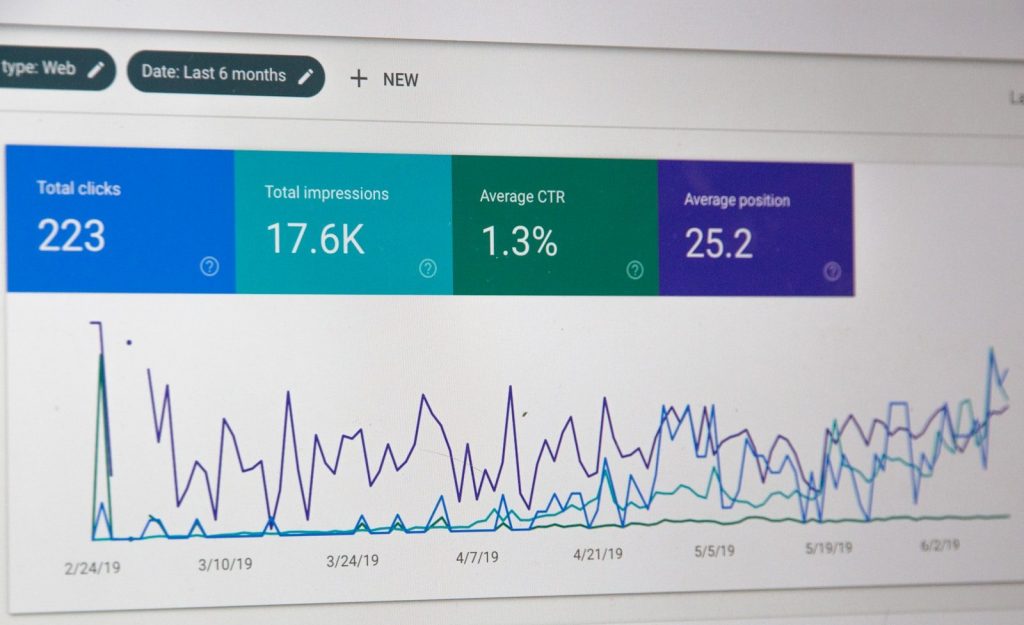
WordPress powers close to half the web. That sounds reassuring — until you realise that simply choosing WordPress doesn’t guarantee search visibility. Out of the box, it’s flexible and fairly search-friendly, yes, but it’s hardly an SEO silver bullet. I’ve seen B2B sites running on WordPress that look impressive on the surface yet struggle with sluggish load times, bloated plugins, and traffic graphs that haven’t moved in months. In those cases, hiring a general marketing agency often feels like applying a sticking plaster to a structural crack. What you probably need is a genuine specialist.
Proper WordPress SEO is more technical than many business owners expect. It may involve untangling complex site structures, diagnosing why Core Web Vitals are underperforming, or figuring out why a seemingly harmless theme is adding two seconds to load time. And backlinks? Not the spray-and-pray variety. The kind that actually support revenue, not just vanity metrics. With so many UK agencies describing themselves as “experts” (and a fair few as “gurus”), telling substance from sales pitch can be tricky.
So rather than repeating generic claims, this 2026 guide takes a closer look at ten WordPress SEO agencies operating in the UK. We’ve considered technical depth, evidence of B2B performance, and — just as importantly — whether pricing and reporting are transparent. The aim isn’t hype. It’s clarity.
Why Your Business Needs a Specialist WordPress SEO Agency

There’s a persistent assumption that because WordPress is “SEO-friendly,” any competent digital agency can rank a WordPress site. That might have held some truth a decade ago. In 2026, it’s a risk.
Generalist SEO tends to hover at surface level. A plugin such as Yoast gets installed. Meta titles are adjusted. A handful of blog posts go live. Those steps aren’t wrong — they’re just incomplete. In competitive B2B sectors, they’re unlikely to shift the dial on their own.
What makes WordPress powerful — its customisability — is also what can quietly undermine performance. Over time, themes grow heavy. Plugins conflict. Databases swell with revisions and redundant data. Page speed drops. Crawl efficiency suffers. None of this is dramatic in isolation, but collectively it can suppress rankings.
A specialist usually approaches things differently. They’ll look at server-side caching, database optimisation, render-blocking scripts, and schema implementation for custom post types. They’re also less likely to panic during a migration — because they’ve handled enough of them to know where link equity typically slips through the cracks.
The difference, in the end, is philosophical. A generic agency tends to apply a standard framework and hope it fits. A WordPress SEO specialist builds around the site’s specific architecture, commercial model, and sales cycle. For high-ticket B2B businesses, that distinction isn’t cosmetic. It’s often the line between steady pipeline growth and another year of flat organic performance.
The Top 10 WordPress SEO Agencies for 2026
At some point, most growing businesses realise that installing a couple of plugins and publishing the occasional blog post isn’t enough. WordPress is powerful, but it’s also layered, messy, and surprisingly easy to get wrong at scale. When traffic plateaus or technical issues begin stacking up, you need someone who understands how the platform actually behaves under pressure.
The agencies below weren’t picked because their homepages look slick or because they promise first-page rankings in 30 days. We looked at technical depth, experience with complex WordPress environments, evidence of generating high-value B2B leads, and their ability to handle migrations without quietly destroying years of link equity. If you run anything from a regional enterprise site to a global SaaS platform, these are worth a serious look.
1. Roaring Media (Best Overall for B2B & Tech)
Roaring Media takes the top spot largely because they’ve stayed in their lane: high-ticket B2B and tech SEO. They don’t lean on default plugin settings and call it strategy. Instead, their work tends to start deeper — untangling bloated custom themes, restructuring site architecture, cleaning up legacy migrations that never quite went right.
What stands out is their focus on revenue rather than traffic charts. They’re less interested in celebrating a 40% uplift in sessions if it doesn’t translate into SQLs or closed-won deals. For UK B2B brands competing in saturated SERPs, commercial clarity matters. If you’re serious about pipeline growth rather than vanity metrics, they’re likely to be one of the strongest options available.
2. Propeller Digital
With more than twenty years in the industry, Propeller Digital brings a certain maturity to WordPress SEO. Based in London, they’ve worked extensively with mid-market and enterprise brands, especially across hospitality and retail. Their approach feels methodical rather than flashy — heavy on analytics, performance diagnostics, and technical refinement.
They pay close attention to server-side performance and Core Web Vitals, which is often where larger WordPress builds start to creak. If your site has grown over time — multiple developers, stacked plugins, patched-on landing pages — Propeller appears well-suited to stabilise and streamline it without disrupting brand identity.
3. Click Intelligence
Click Intelligence operates at scale. With a sizeable team and coverage across dozens of sectors, they’re one of the more established names in the UK search market. Their technical SEO offering is comprehensive, but where they really differentiate themselves is digital PR and link acquisition.
For WordPress sites struggling with authority rather than infrastructure, that can make a real difference. They’re particularly strong at structured outreach and building links that look earned, not manufactured. If your domain has solid foundations but lacks trust signals in competitive verticals, they may help close that gap.
4. StudioHawk
StudioHawk does one thing: SEO. No paid ads, no design retainers, no social packages bundled in. That narrow focus seems to sharpen their technical instincts, especially when dealing with complicated WordPress environments.
Clients typically work directly with SEO specialists rather than account managers relaying messages. That can feel refreshingly direct. They’re often a good fit for e-commerce brands and scaling B2B firms that want clarity, transparency, and campaigns built around measurable outcomes rather than long-term lock-ins.
5. Tillison Consulting
Tillison positions itself less as a supplier and more as a growth partner. That might sound like marketing language, but in practice, it means their SEO work is tightly integrated with CRO and commercial performance tracking.
They tend to ask tougher questions about margin, customer acquisition cost, and sales velocity. For WordPress sites, this often translates into restructuring service pages, tightening internal linking, and optimising conversion pathways rather than just expanding traffic volume. If you’re tired of monthly reports that celebrate impressions but ignore profit, their model may resonate.
6. Fly High Media
Fly High Media leans heavily into technical audits. The kind that surface crawl anomalies, broken internal links, bloated media libraries, and indexing problems that quietly cap growth for years.
They also have experience supporting sites recovering from penalties or algorithmic drops. For mid-sized B2B firms with ageing WordPress builds — especially those that have changed developers multiple times — Fly High offers a steady, repair-first approach before layering on aggressive growth tactics.
7. Paramount Digital
Paramount Digital focuses unapologetically on lead generation. Rankings matter, but only insofar as they produce enquiries. Their WordPress work often involves refining XML sitemaps, strengthening internal link hierarchies, and implementing structured data to improve visibility in rich results.
They’ve worked closely with B2B tech, legal, and financial firms — sectors where a single lead can be worth thousands. If your goal is increasing Marketing Qualified Leads rather than simply improving keyword positions, their data-led methodology could be a strong match.
8. Envisage Digital
Envisage Digital operates at the intersection of UX and technical SEO. They recognise that rankings alone won’t compensate for clunky mobile performance or slow-loading templates — something many enterprise WordPress sites suffer from.
Their work frequently involves stripping back heavy themes, consolidating plugins, and improving load sequencing. The result is often not just better rankings, but noticeably lower bounce rates. If your analytics show users clicking in and dropping off quickly, Envisage may be worth a conversation.
9. Springhill Marketing
Springhill takes a content-led route into WordPress SEO. They focus heavily on topical authority, mapping out content clusters and identifying gaps competitors haven’t covered properly.
For SaaS and B2B brands with long buying cycles, that depth can be powerful. They still handle the technical housekeeping — redirects, image compression, schema basics — but content strategy appears to be their anchor. If your challenge is scaling high-quality blog production without sacrificing search intent alignment, they’re likely a good fit.
10. Think Shaw
Think Shaw rounds out the list with a reputation for clear reporting and steady optimisation. They’re not particularly loud in the market, but their clients often cite transparency and consistency as strengths.
They focus on ongoing WordPress maintenance — adjusting metadata, refining internal linking, responding to algorithm shifts — rather than dramatic one-off pushes. For professional service firms and growing B2B companies that want reliable long-term stewardship of their organic presence, that measured approach can be reassuring.
Core Services Every Top WordPress SEO Agency Should Offer
When you bring in a specialist, you’re not paying for someone to tweak a few keywords and send a glossy monthly report. You’re paying for depth — the kind that gets under the skin of your WordPress build and fixes the things quietly holding it back.
Advanced Technical Audits
A serious agency should start with a proper crawl of your entire site. Not just a surface scan, but a forensic look at indexation bloat, redirect chains, orphaned pages, and messy taxonomies. WordPress sites often accumulate tag pages, filter URLs, and duplicate archives over time. Left unchecked, they dilute authority and waste crawl budget. A good audit doesn’t just flag issues — it prioritises what actually matters commercially.
Site Speed & Core Web Vitals Optimisation
Speed isn’t cosmetic anymore. Slow WordPress sites bleed rankings and conversions. Your agency should be comfortable configuring server-side caching, setting up a CDN, compressing oversized image libraries, and deferring render-blocking scripts — especially those bundled into heavy themes. Sometimes the fix is as simple as removing three unnecessary plugins. Other times it means reworking how assets load entirely.
Plugin Auditing & Configuration
Plugins like Yoast or Rank Math are helpful, but they don’t magically create strategy. A capable agency will configure them properly, remove redundancies, and avoid the common trap of stacking multiple SEO plugins on top of each other. Custom XML sitemaps and careful robots.txt management often matter more than default settings.
Schema Markup & Structured Data
If you want rich results, structured data has to be implemented properly — usually via JSON-LD. That might mean marking up B2B case studies, SaaS product pages, FAQs, or local service areas in a way that aligns with how your site is actually built. It’s rarely one-click.
Digital PR & Link Acquisition
Links still matter. A lot. The strongest agencies run outreach campaigns that earn coverage in relevant industry publications, not random blogs. Authority built in the right vertical tends to compound over time.
How Much Does WordPress SEO Cost in the UK?
Pricing can feel opaque because many agencies prefer to “scope first, quote later.” In reality, cost varies depending on site size, competition, and how much technical debt you’re carrying.
For a mid-market or enterprise B2B business in 2026, a monthly retainer typically falls between £1,500 and £5,000+. At the higher end, you should expect ongoing technical refinement, content production, and active link acquisition — not just reporting dashboards.
One-off projects are different. A migration audit before a redesign, or a deep technical clean-up after a traffic drop, might land between £2,500 and £7,500, depending on complexity. Custom themes, multilingual setups, and large databases push costs upward fairly quickly.
If you’re planning next year’s budget, it’s wise to define scope before entering negotiations. Clear deliverables make it much easier to compare proposals objectively.
How to Choose the Right Partner for Your Website
Picking the wrong SEO agency isn’t just frustrating — it can stall growth for months. A few practical checks can save you a lot of regret.
Ask for WordPress-Specific Case Studies
Don’t settle for vague traffic graphs. Ask for examples where they improved site speed, cleaned up technical debt, or handled a migration without losing rankings. Ideally, in a competitive B2B niche.
Scrutinise Reporting Metrics
If reporting revolves purely around keyword positions and session counts, that’s a warning sign. A genuine B2B partner should talk about organic lead volume, MQLs, and revenue attribution. Traffic is a means, not the end.
Confirm Technical Capability
Recommendations are meaningless if no one can implement them. Ensure they have in-house WordPress developers or technical SEOs comfortable working with PHP, databases, and staging environments without breaking the live site.
Red Flags: What to Avoid When Hiring an SEO Team
SEO still attracts its share of questionable operators. A bit of scepticism helps.
Guaranteed #1 Rankings
No one controls Google. Promises of top positions within 30 days usually signal risky tactics that may work briefly — and then unravel.
Secretive Link Building
If an agency won’t explain where links come from, assume there’s a reason. Private blog networks and spammy directories can damage a domain for years.
The “Plugin-Only” Fix
If the entire strategy boils down to installing a caching plugin and configuring Yoast, you’re not getting specialist expertise. Real optimisation often involves manual intervention and architectural thinking.
Frequently Asked Questions (FAQ) About WordPress SEO
Are WordPress sites already SEO optimised?
Not really. WordPress provides a decent framework, but you still need to configure permalinks, manage internal linking, optimise speed, and create content that satisfies search intent. The platform doesn’t do that for you.
Does a WordPress plugin replace an SEO team?
No. Plugins can guide metadata formatting and generate sitemaps, but they won’t earn backlinks, fix server response times, or design a content strategy aligned to your sales cycle.
How long does it take to see results?
For new sites, three to six months is fairly typical before consistent growth appears. Established domains sometimes see quicker gains — especially after fixing technical bottlenecks — but instant results are rare.
What are the best SEO plugins?
Yoast SEO, Rank Math, and SEOPress are widely used. They’re solid tools for on-page management and sitemaps. Just remember: tools support strategy. They don’t replace it.
Ready to Dominate Search in 2026?
If your WordPress site feels slower than it should, or organic growth has stalled, it may be time for a deeper look. Technical debt has a habit of compounding quietly.
Before committing to any long-term contract, consider requesting a detailed technical audit from a credible specialist — ideally one that connects performance issues to actual revenue impact. Clarity first. Commitment second.